All posts by Ravenchild

Equity Waiver Wars

by Cynthia Wands

I remember when I worked in San Francisco as an actor, yes, in the 1980’s, and there were the “Equity” and the “Non-Equity” theater wars. This was during a period of time when Equity Waiver contracts were being negotiated for the smaller San Francisco houses, and a non-union organization, BATWA, wanted to be part of the dialogue. (BATWA stood for “Bay Area Theater Workers Association”.)  I was a member of Actors’ Equity Association (AEA) and I was a member of BATWA.  There were yelling, screaming sessions with small theater managers and actors and playwrights. I remember that it did not end well. Thank God those days are over.

I ended my membership in AEA in the 1990’s, for many reasons, but especially after attending some of the Los Angeles area AEA meetings.  (Yes, there were more of those yelling, screaming sessions  that did not end well. This time between AEA members and AEA union officials. I remember thinking when I left those meetings for the last time: Thank God those days are over.) And now here we are, in 2015, with a similar conflict going on in the theater community once again.  In this Bitter Lemons article, you’ll find some of this yelling and screaming behavior still going on in the comment sections:

Bitter Lemons: Just a National AEA Councillor and a Los Angeles AEA Member Having a Friendly Conversation…

In the past few weeks I’ve been following the conflict and the articles and the calls to action:

Stage Scene LA: 99 Seat Plan in Jeopardy

The Huffington Post: A Love Letter Wake Up Call

Backstage: Equity Fires Back at LA Theater Critics

There are so many real and passionate issues to be considered in this conflict: I wish the noise of it all could be voiced without the mud slinging and fury.

Ballots for the vote on the plan will be mailed to the AEA members on March 25. The ballots will need to be returned by April 17, and the union’s council will make a final decision on the new 99-seat plan April 21.  I’m no longer an AEA member, so I won’t be voting on this issue, but I can see that this new plan will affect the future of how theater is produced here in Los Angeles. I might not be saying Thank God those days are over.

Crystal Globe


I hate conflict…wait…um…I hate…um…indecision…

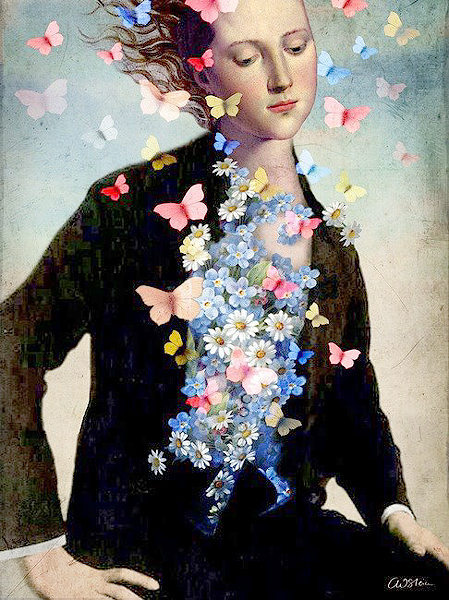
Artwork by Catrin Welz-Stein


by Cynthia Wands

This has been a difficult period of time for Los Angeles area Equity waiver theatre.  There have been very emotional, bitter and articulate messages from the union members about keeping waiver theatre at it’s current structure. There have been notices and interviews from Equity members about the need for new financial realities. And I hate it.  I hate it because of the bickering, disrespect and hysterical name calling. I hate it because, frankly, I hate conflict. Not a good thing if you’re an artist. Or an actor. Or a writer. Because I know that conflict is necesary for growth, comedy, negotiating, and change. Yeah. I know all that. I just hate the divisiveness and angst that seems to implode this particular issue.

So I’m going to share something completely different from the ongoing saga of the Equity Waiver War here in Los Angeles Theatre. It’s an interview with Kathleen Marshall, and here is her closing quote on the article that appeared in THE INTERVAL:
What’s something you think people can do to improve gender parity in theatre?

 I think that one of our responsibilities as women working in theatre is to give opportunities to other women working in theatre. And that can be in all kinds of ways. That can be having them as an assistant or observing on a show. Supporting other women who are artists, which could mean just going to their shows and being a positive presence in other people’s lives. I believe that good work is the best way to promote yourself and if you create good work that, hopefully, is also successful then that will be what gets you noticed.

http://the-interval.com/ints/km/


Gratitude

Tree of Gratitude,  Artwork by Cynthia Wands 2014
Tree of Gratitude,
Artwork by Cynthia Wands
2014


by Cynthia Wands

This has been a year of gratitude. And revelation. I didn’t get to learn the lessons I’ve been longing for:  a new finished script, a staged reading, a Broadway contract, a full production of one of my works.

Instead I learned humility (being bald from chemo for six months is at the top of the list for this lesson).  I learned compassion – especially from the other people in my life who helped me to learn to live again in a different way.  I learned a lot of other lessons in the mixed bag of nuts in my recovery from cancer this year: how irrational/moody/forgetful and detached I can become. How much I can ask for from friends and family and my husband.  I also got a new (old) cat (Puck: a rescue cat who helped save me from myself this year).

Puck the Office Cat


But I also want to say how much I’m grateful to this blog, as this is the only writing I’ve been able to do this year. Thank you.

And here is a story that is very close to my heart.  It starts as a story about a man with a broken neck, but it really resonated with me in some of my life lessons.  Especially those lessons about gratitude.

Nobody cares what you think

by Cynthia Wands

I found this facinating article:
HOW I INSULTED SONDHEIM (AND THE WISDOM RECEIVED THEREBY)

I’ve had my share of young stupid interactions with performers/artists I’ve admired.  But I loved how this writer shared an awful experience and how he learned from it. It’s amazing to see that even celebrated and successful playwrights have such feelings about feedback to their work.

A Paraphrase from the article.

Nobody cares what you think. Once a creation has been put into the world, you have only one responsibility to its creator: be supportive. Support is not about showing how clever you are, how observant of some flaw, how incisive in your criticism. There are other people whose job it is to guide the creation, to make it work, to make it live; either they did their job or they didn’t. But that is not your problem.

If you come to my show and you see me afterwards, say only this: “I loved it.” It doesn’t matter if that’s what you really felt. What I need at that moment is to know that you care enough about me and the work I do to tell me that you loved it, not “in spite of its flaws”, not “even though everyone else seems to have a problem with it,” but simply, plainly, “I loved it.” If you can’t say that, don’t come backstage, don’t find me in the lobby, don’t lean over the pit to see me. Just go home, and either write me a nice email or don’t. Say all the catty, bitchy things you want to your friend, your neighbor, the Internet.

Maybe next week, maybe next year, maybe someday down the line, I’ll be ready to hear what you have to say, but that moment, that face-to-face moment after I have unveiled some part of my soul, however small, to you; that is the most vulnerable moment in any artist’s life. If I beg you, plead with you to tell me what you really thought, what you actually, honestly, totally believed, then you must tell me, “I loved it.” That moment must be respected.


The Avant-Garde is deader

by Cynthia Wands

“the avant-garde is deader than last year’s short-in-front, long-in-back skirts”….

Deader?

Than last year’s skirts?

I appear to be far far away from the Avant- Garde and those who write about it.  I came across the above mentioned quote from an article today:

The Clyde Fitch Report: The Death of the Avant-Garde and Other Urban Legends

I remember sitting through weird performance arts pieces over the years: John Cage concerts at Wesleyan University, and Merce Cunningham dance performances in New York, the incredible THE WAY OF HOW performances in Berkeley in the 1980’s, Rachel Rosenthal shows, and strange happenings in the Ivy Substation and Highland Grounds.  But I never considered them “Avant-Garde”.

They seemed to be honest constructs from the artists to the audiences. Even if I didn’t appreciate the monotony and self absorption of a John Cage concert (a four hour concert with kitchen utensils was the last and ultimate test of my endurance with him), I learned a lot about courage and authenticity from those weird performances.

I don’t feel that I’m much in sync with the referenced “performative events” (I guess they aren’t called performance art pieces any more). And I can see, I’m really okay with that.

Wall


A reading

by Cynthia Wands

A few weeks ago I went to a staged reading of a script that I have watched develop over the years, and it was gratifying to see how much life and vulnerability that the actors gave to the script.

Most of the actors had been involved in reading pages from this script for some time, and they brought a lot of nuance and humanity to the reading of the characters.

I didn’t understand when I watched/listened to the reading why I experienced the two women in the script to be such completely different characters than what I had understood them to be. It was only afterwards when the director pointed out to me that, unlike the previous readings I had seen of the script, the two principal actress had exchanged roles.

This had been the director’s idea, and I was surprised that I hadn’t recognized the switch in the actresses – I saw very different characters because of this casting change, and they was very intriguing.

But what I missed, and what I had hoped for, was a script that could deliver that kind of surprise and dimension in the writing.  Several times conflict would simmer up from all the talking onstage, and yet it wouldn’t quite boil up to a resolution or crisis. Poignant, hurtful, insightful things were said. It just didn’t matter much what they said.  The characters went off at the end of the play pretty much as they started.  I do think the playwright is a very good writer, but this script seemed to miss the mark for me.  I left somewhat chafed and dissatisfied.

Maybe it’s because I’ve gone through such a sea change in myself and my life this past year, that I want to see/hear/experience rousing life changing theater.  I’m grateful to have the chance to have witnessed the growth and development of this script – and I learned a lot by not liking it.

Gothic Nude Goddess_edited-1


Chance favors the connected mind

by Cynthia Wands

I recently went to a yearly ceramics sale with a dear friend of mine; and had one of those intoxicating, life-flashing afternoons where there was discovery and laughter and afterwards, really good middle eastern food.

Granted, I’ve been house bound for a while, and the chance to go out and play hasn’t presented itself like that in some time.  But it reminded me of….rehearsal.  A really good rehearsal.  Where actors are making connections, and giving the gift of their talent and mind and spirit to create these phantoms on stage.

But I know, this was a ceramics sale.

Ceramic GCC1


There was a large noisy line of shoppers waiting to get into this sale, and once the doors were opened, I lost my friend in the crush of people foaming around the tables. It was thrilling to see such beautiful ceramic pieces, the glazes, the whimsy, and the various degrees of artistry and taste. There were some really crappy pieces too. I saw candlestick holders shaped like giraffes, and copper colored bowls, and strange plates.  I picked up a bright blue teapot with “hello kitty” skeletons painted all over it and considered buying it. But then I paused, and put it back down on the crowded table, and someone behind me scooped it right up.  I’ll never see that “hello kitty skeleton” teapot ever again.  But what a thrill of discovery and connections.

And then I heard this talk today on Ted Talks.  There is a bit of an overlong story about a Russian spaceship, but, overall, the exploration of where good ideas come from really sparked me up. Almost like a rehearsal. Or really strange ceramics.


“None of us owns art. Not even the artists who create it. And yet, we all own it, and it shifts as we shift.”

Three hands of art: why it matters

by Cynthia Wands

On Saturday, ArtsWatch’s Bob Hicks spoke on this basic question to the national sales meeting of Pomegranate Communications, the Portland-based publisher of fine art books.

I’m very much taken with this article on the Oregon Artswatch site.  Some of the comments really landed front and center with me:

“An artist of any kind is a witness to the universe, and because the universe is both micro and macro, what she sees can be wide or deep, large or small.”

My world has been pretty small this year, with much focus on medicine and treatment and recovery.  I’m watching other artists/writers delve into the enormous outside world and pursue projects and contacts and new arenas, and I marvel that they have the stamina and courage to risk such exposure.

And then I read something like this article, and I get to see that art is everywhere.

Three hands of art: why it matters


Bird Pins


Counting

Carpetbag study 1


by Cynthia Wands


Back in May of this year,  Laura Shamas wrote a wonderful article about the unknown numbers for women playwights on HowlRound:

Laura Shamas Article: Women Playwrights – Who is keeping count?

I’ve been checking back in the comments of this article to see if there were any updates, and yes, there were some great conversations about this issue.  But then it seems, again, that the issue is dead, and will remain dead until it’s brought out again.  TCG is working on a demographic survey platform called REPRESENT to create reports on gender parity at the board, staff, and artist level.  And it’s not yet available.

I guess I was hoping to hear of some news, progress, or initiative that is driving through actual opportunities and visibility for women playwrights.  But then I guess that’s my day dream world, where I see more women as artistic directors, dramaturgs, and stage directors.  I know that day is in the minds of a lot of women. And I have a dear friend, who is a male playwright, who insists that women get many more opportunities than men to submit their work because “women are the hot ticket” now for play development. I have no idea where he came up with that one. I really think he’s deluded, but then, he’s a dear friend and they tend to be that way.

Along with this idea of counting, this past year I was trying to find tickets to a Broadway show –  I wanted to support a show that had been written by a woman playwright, and I couldn’t find one.  Again. This year. Sometimes I’ve been able to see shows here or in New York, that women have written that have been produced in large, celebrated theatres. But not often. But I will keep looking.